
Post Preview
Key Takeaways
- Comprehensive planning, including goals, timelines, budgets, and permits, lays the foundation for a smooth remodel.
- Scheduling disruptive work during off-peak hours minimizes interruptions to employees and customers.
- Phased renovations allow portions of the business to remain operational while other areas are updated.
- Clear and consistent communication with staff and customers builds trust and sets realistic expectations.
- Prioritizing safety and cleanliness protects employees, customers, and the business environment.
- Coordination with vendors and supply chains ensures uninterrupted operations and inventory management.
- Leveraging technology and flexible work arrangements keeps teams productive during construction.
- Regular monitoring and adaptive strategies allow for quick problem-solving and continuous improvement.
Introduction
Remodeling your commercial space can spark new energy into your business, boost efficiency, and create a lasting impression for customers. But renovations also carry the risk of disrupting daily activities, employee productivity, and customer satisfaction. The good news is that with careful planning and the right strategies, you can significantly limit interruptions. For more information on how to tackle commercial remodeling projects effectively, click here to explore your options with experienced professionals.
Ensuring minimal disruption during a commercial remodel not only benefits your workflow but also helps your reputation and bottom line. Businesses that plan thoroughly and communicate well can maintain high service standards, even during big changes. This guide will provide actionable strategies to keep your operations on track while upgrading your commercial property.
Develop a Comprehensive Plan
Successful remodeling projects always begin with an in-depth plan. Before any demolition starts, outline every aspect of your project, including goals, timelines, budgets, and necessary permits. By listing out the areas most in need of renovation and identifying possible challenges ahead of time, you’ll be better prepared to handle unforeseen issues. Proper planning also allows you to coordinate with design and contracting teams, setting a clear roadmap for everyone involved.
Schedule Work During Off-Peak Hours
One of the most effective ways to keep your business operational during a remodel is to conduct noisy or disruptive work outside regular business hours. Contractors can schedule their labor for evenings, weekends, or even holidays to minimize the impact on employees and customers. This approach helps retain a peaceful and productive atmosphere in your space throughout the renovation.
Implement Phased Renovations
Rather than shutting down your entire facility, consider tackling your remodel in clearly defined phases. This segmented approach allows certain parts of your business to continue operating as usual while work proceeds elsewhere. For example, if you run a retail store, you can renovate one section at a time, redirecting foot traffic and minimizing inconveniences. Phased renovations offer flexibility, which is especially important for larger or multi-use spaces.
Maintain Clear Communication
Consistent and timely communication is essential when undergoing a remodel. Notify staff of the renovation timeline, daily schedules, and any changes that may affect workflow or safety. Utilize internal emails, regular meetings, and visible signage to ensure everyone understands what to expect. It’s equally important to keep customers informed by providing updates on your website or via social media about any temporary changes to business hours or services. Staff and customer trust is built through clear and open communication.
Developing these communication habits not only sets realistic expectations but also fosters patience and understanding throughout the project’s duration.
Prioritize Safety and Cleanliness
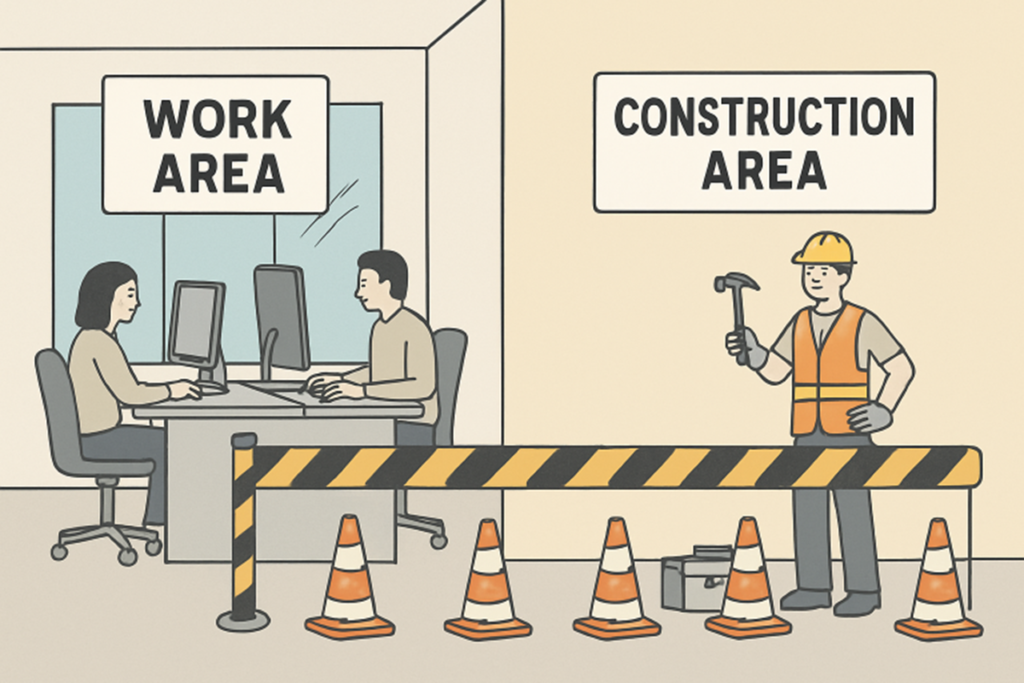
Safety should never be compromised for the sake of progress. Clearly mark construction zones with proper signage and restrict access to these areas to ensure safety. Ensure that all contractors comply with local building codes and hold up-to-date safety certifications. Keeping your workspace clean and free of debris is also critical—install temporary dust barriers, use air scrubbers, and ensure regular cleaning is performed to protect both staff and customers from potential hazards.
Coordinate with Vendors and Supply Chains
Remodeling often results in changes to delivery routes, receiving schedules, and inventory locations. Collaborate closely with your suppliers and delivery partners to reschedule arrivals as needed or reroute shipments to temporary receiving areas. Keeping your inventory stocked and available ensures smooth operations, especially if you rely on just-in-time supplies for daily business.
Leverage Technology for Remote Work
For businesses with office operations, consider implementing remote work or flexible scheduling during construction. Modern collaboration tools, such as video conferencing, instant messaging, and cloud file-sharing, can keep teams productive and connected—no matter where they are physically located. A robust IT infrastructure minimizes stress for your employees and enables business continuity even when office areas are temporarily inaccessible.
Monitor Progress and Adapt
Monitor the progress of your remodel closely and remain agile. Hold regular check-ins with your construction team and internal leaders to review project milestones and discuss any emerging issues. Solicit feedback from employees and customers affected by the remodel. This continuous feedback loop enables you to adapt plans and implement rapid fixes, ensuring minimal disruption even in the face of unexpected challenges.
Final Thoughts
Commercial remodeling doesn’t have to be a disruptive headache. By laying the groundwork with comprehensive planning, clear communication, and a commitment to safety, you can enhance your business space while maintaining smooth daily operations. From strategic scheduling to technology-enabled solutions, these best practices will help you achieve a transformative remodel with minimal impact on both staff and customers.