
Post Preview
Key Takeaways
- Clinical trials are essential for developing new medical treatments and improving existing ones.
- They follow a structured process, typically divided into four phases, to ensure safety and efficacy.
- Advancements in technology, such as artificial intelligence, are enhancing the efficiency and inclusivity of clinical trials.
- Participation in clinical trials is crucial for medical progress, offering patients access to cutting-edge treatments.
Clinical trials are the backbone of medical innovation, transforming scientific discoveries into tangible results that impact millions of lives. By rigorously evaluating new drugs, therapies, and medical devices, these studies provide the critical data necessary for regulatory approval and clinical adoption. For patients and providers alike, understanding how clinical trials work and what makes them so vital is increasingly important, especially with new partnerships such as clinical trials with BioNTech, setting the stage for breakthroughs in modern medicine.
The clinical trial process is not just about testing new medicines—it’s about protecting patient safety, ensuring efficacy, and continually striving to refine and personalize treatment for optimal outcomes. These studies aren’t conducted in isolation; they draw from advancements in technology and an ever-expanding commitment to diversity and patient-centered research. As healthcare continues to evolve, clinical trials stand at the center of progress.
Understanding Clinical Trials
Clinical trials involve carefully designed research studies that test the effectiveness, safety, and optimal use of medical interventions in people. Unlike preclinical laboratory experiments, clinical trials utilize real-world patient experiences to address specific questions about new drugs, therapies, and medical devices. This process is essential in bridging the gap between laboratory innovation and widespread clinical adoption.
Each clinical trial is driven by a specific protocol that defines participant eligibility, treatment plans, and measurable outcomes. This systematic approach ensures that results are reliable and that patient safety remains the utmost priority. Not only do these trials provide evidence for regulators and healthcare providers, but they also help patients make informed choices about their care.
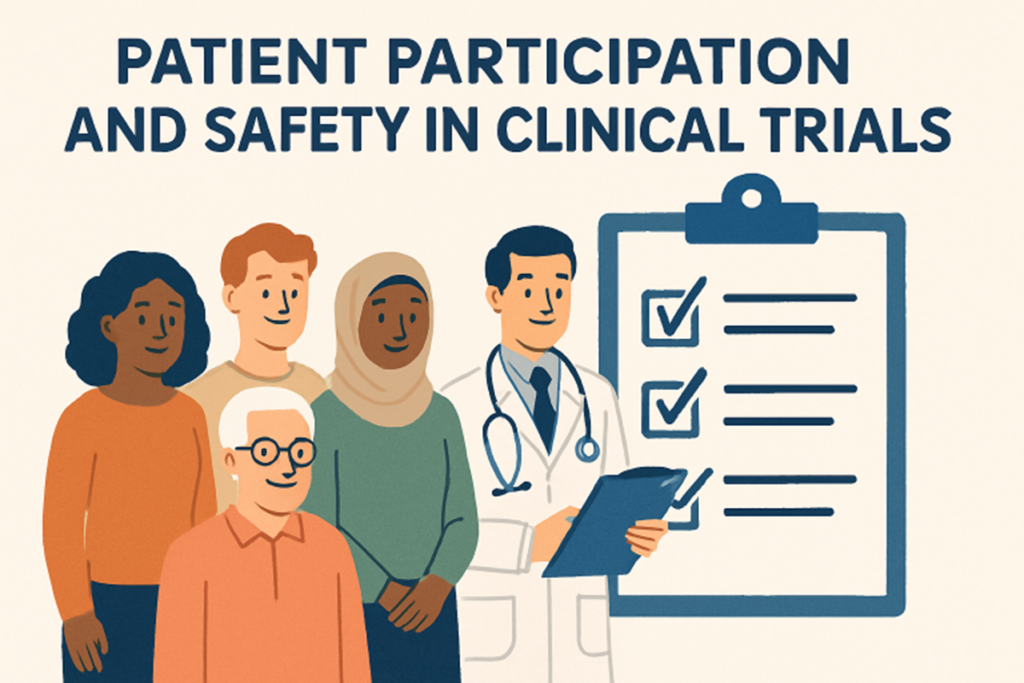
The Four Phases of Clinical Trials
Clinical trials generally follow a four-phase process, each pivotal to a new therapy’s journey from the laboratory to the clinic:
- Phase I: Evaluates safety and dosage in a small group of participants. Researchers aim to determine the most suitable dose and identify any potential immediate side effects.
- Phase II: Expands the number of participants to test the effectiveness of the intervention and gather additional data on its safety profile.
- Phase III: Compares the new treatment to existing standards in a large, diverse participant pool. Success at this stage is critical for gaining regulatory approval.
- Phase IV: This phase takes place post-approval, monitoring the therapy’s long-term effectiveness and any rare or delayed side effects in the general population.
These sequential phases are crucial for building robust, high-quality evidence that supports safe and effective patient care. They also provide insights into which populations will benefit most, helping set the stage for personalized medicine.
The Role of Technology in Modern Clinical Trials
The integration of sophisticated technology has dramatically shifted how clinical trials are conducted. Artificial intelligence (AI) is streamlining everything from patient recruitment to data analysis. With AI-powered platforms sifting through vast medical records and genetic data, researchers identify eligible participants more quickly and accurately than ever before. In fact, predictive analytics can anticipate potential trial challenges, including adverse event risks and patient dropout, permitting real-time interventions and improved adherence.
Beyond recruitment, AI supports advanced data interpretation and protocol optimization. Technologies such as electronic health records, wearable devices, and telemedicine contribute to the collection of real-world data, bringing greater authenticity and accessibility to trials. These innovations not only expedite study timelines but also ensure data integrity and patient-centered design.
Diversity and Inclusivity in Clinical Trials
A long-standing challenge in clinical research is ensuring that trials reflect the broad diversity of patient populations. Underrepresentation of minorities, older adults, and women can lead to gaps in knowledge about how different groups respond to new treatments. To address this, clinical researchers are actively working to make participation easier, break down logistical and cultural barriers, and engage with communities that may have been historically overlooked.
Enhanced outreach, community partnerships, and flexible trial designs are some strategies being implemented, all in service of inclusivity. By building more representative studies, medical science moves closer to universal health solutions that serve all patients equally.
The Impact of Clinical Trials on Patient Care
The direct impact of clinical trials on patient care cannot be overstated. Trials have led to the approval of life-extending cancer therapies, preventive vaccines, and innovative treatments for chronic diseases. For patients with limited treatment options, participating in a clinical trial may provide access to the latest therapies before they become available to the broader public. Beyond individuals, each participant helps push the boundaries of what is possible for generations to come.
The knowledge resulting from clinical trials transforms clinical practice guidelines, marking a continuous cycle of evidence generation, review, and implementation.
Challenges and Future Directions
While clinical trials remain a linchpin of medical innovation, they face persistent obstacles, including escalating costs, complex regulations, and recent reductions in funding. These challenges can delay or even halt critical research, preventing innovative solutions from reaching patients promptly. Additionally, ethical considerations, data privacy, and the imperative to minimize patient burden remain paramount.
Forward-thinking strategies—such as leveraging technology to streamline protocols, advocating for policy reforms, and ensuring sustainable funding—play a crucial role in addressing these issues. As more stakeholders champion patient-centered and inclusive research models, the future of clinical trials looks brighter and more effective than ever before.
Final Thoughts
Clinical trials serve as the foundation for safer, more effective, and more equitable healthcare. As science and technology progress, so do the methods by which we study and improve the human condition. By supporting advances in research and expanding access and participation, we pave the way for transformative therapies and a healthier future for all.