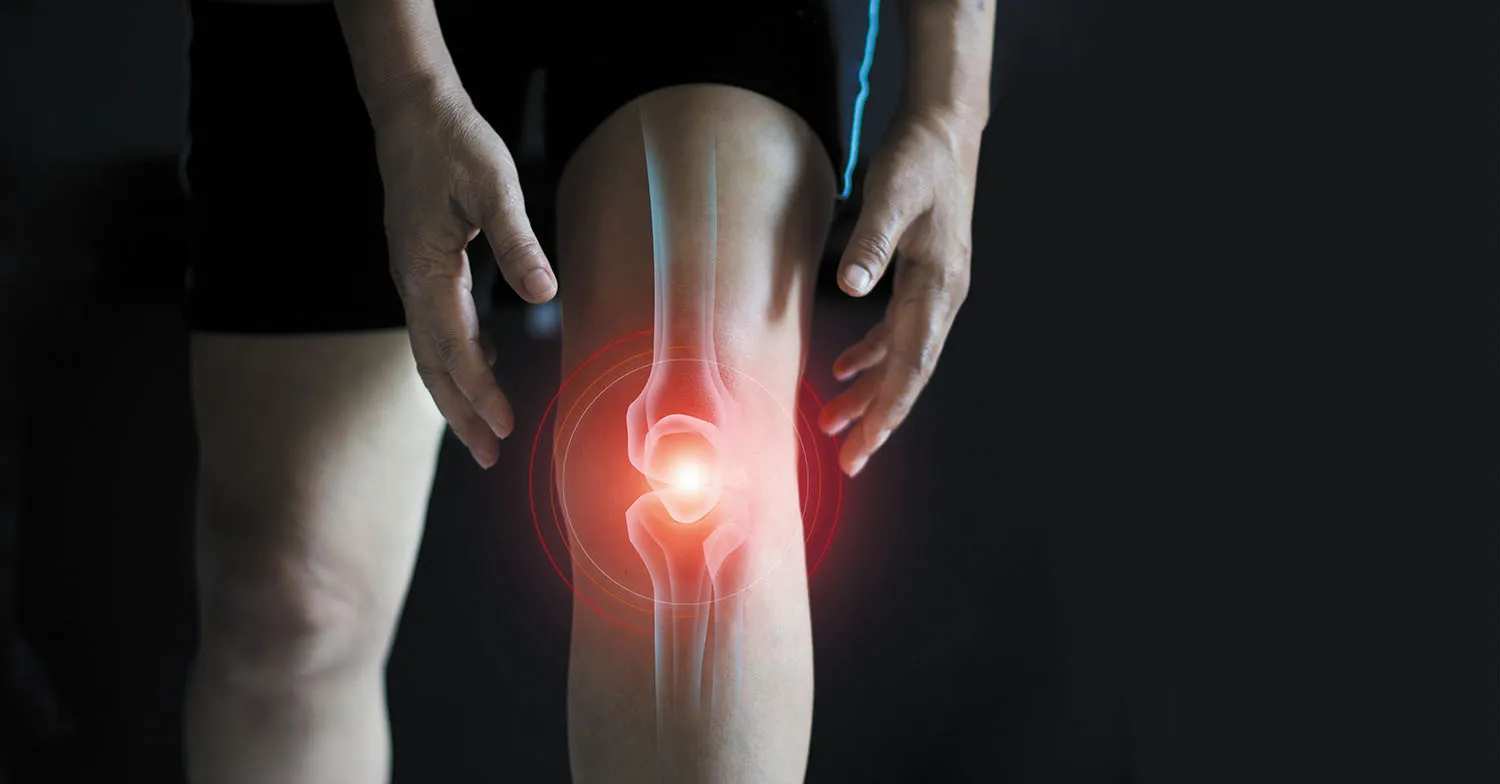
Joint pain has a weird social script. If you mention it, someone says, “Just rest.” Someone else says, “No, push through it.” And you end up stuck between two extremes: you either grind yourself down, or you stop moving so much that everything stiffens up.
Here’s the thing. Joints like smart movement. They also like calm. They like steadier loads, better control, and fewer surprise spikes. They usually do worse with all-or-nothing choices.
So this guide is not a pep talk. It is not a “walk it off” rant. It is also not a doom story about getting older. It is a practical look at what joint relief tends to involve when you zoom out: mobility that fits into real life, strength that adds stability, posture that stops the daily grind, and inflammation habits that support long-term joint health.
No miracle promises. No dramatic language. Just a clearer map.
Why “rest more” often backfires (even when you mean well)
Rest is useful. Sometimes it is the right call, especially after a flare or a new injury. But “rest” as your main strategy can get messy fast.
When you stop moving, a few predictable things happen:
- You lose confidence in the joint. Your brain starts treating it like a fragile object.
- Muscles around the area do less work, so the joint takes more of the stress during normal tasks.
- Your tolerance drops. Then small things feel big.
- Stiffness builds. You feel worse, so you move less, so you feel worse.
It becomes a feedback loop. And it is not because you are lazy. It is because your body adapts to what you do most.
Now the other extreme, pushing through everything, has its own loop. It teaches your system that pain is a normal alarm you should ignore. That can lead to sloppy form, compensation, and that classic “it was fine until it wasn’t” moment.
So joint relief often lives in the middle. Not full stop. Not full send. More like controlled reps, steady habits, and better movement options so your joint stops being the bottleneck in your day.
Mobility micro-routines that actually fit into your day
Mobility sounds like a whole lifestyle. New mat. New playlist. Forty minutes of stretching. But the best mobility plan is usually the one you do without negotiating with yourself.
A micro-routine works because it is small enough to repeat. Repetition is what changes how the joint feels day to day.
The idea: grease the pattern, not just the tissue
A lot of “tightness” is not a short muscle problem. It is a protective setting. Your system senses risk, so it limits range. When you move gently and often, you show it the range is safe again.
That is why mobility that looks boring often works better than dramatic stretching. Slow circles for shoulders. Controlled hip rotations. Ankle rocks while you wait for coffee. It is not glamorous. It is consistent.
A simple structure (without making it a project)
Think in three pieces:
- Warm range: small, easy movements that bring blood flow.
- Control range: slower movements where you pause and own positions.
- Return to life: walk, stairs, sit-to-stand, daily tasks with better mechanics.
You can do that in tiny bites across the day. Two minutes here. One minute there. And yes, it feels too small at first. Then you notice you stand up without thinking about your knees. Or your hands stop feeling angry in the morning.
And a quick reality check: if a movement spikes sharp pain, your body is giving you data. It is telling you the current dose is wrong. That is not failure. That is feedback.
Strength for stability (because joints like backup)
People talk about “wear and tear” like joints are doomed. But joints are more like meetings. They run better when roles are clear.
Your muscles are the support staff. When they do their job, the joint does less desperate work. When they are weak or delayed, the joint gets stuck doing the heavy lifting, plus the balancing, plus the last-minute saves.
Strength is not about being intense
For joint relief, strength is often about:
- slow control
- stable positions
- repeated patterns
- even effort on both sides
It is less “how much can you lift” and more “how smoothly can you move without compensating.”
That is why basic movements matter so much. Squat patterns. Hinge patterns. Pulling and pushing. Carrying. Step-ups. The stuff that looks like normal life.
Why “stability” is a real thing, not gym jargon
Stability means your body can keep the joint in a good position while you move. It shows up when you:
- walk on uneven ground without wobbling
- carry groceries without twisting your back
- reach overhead without pinching your shoulder
- get up from a chair without shifting into one hip
You do not need complicated drills to understand this. If your knee collapses inward when you go downstairs, that is a stability problem. If your shoulder hikes up to reach, that is a stability problem. These are movement strategies, not personality flaws.
And yes, it can feel like a contradiction: you want to move less because it hurts, but moving well often depends on strength work. That contradiction resolves when the work is measured and consistent, not aggressive.
If joint pain and recovery are part of a bigger life reset, a structured environment can also affect how your body feels day to day. Some people find that stability in routines and support systems changes their relationship with pain, especially during stressful periods. For anyone exploring a more comprehensive recovery path, PA Sober Living can be a relevant resource to learn about at Synergy Houses.
Posture, mechanics, and the “tiny stress taxes” you pay all day
Posture gets a bad reputation because people turn it into a lecture. But posture is basically your default loading plan. It is the position you return to for hours.
And most joint pain is not caused by one dramatic event. It is more often built from small stress taxes you pay all day:
- craning your neck forward at a laptop
- sitting with one leg tucked under
- standing with weight dumped into one hip
- gripping a phone with a tense thumb
- taking stairs while your knee twists a little each step
None of these look serious. That is the point. They are quiet.
Think “positions you live in,” not “perfect posture”
Perfect posture is not real. The goal is variety. Shift positions. Change tasks. Move your joints through range during the day so they do not stiffen up in one pattern.
This is also where work culture matters. People talk about burnout like it is only mental. But your body feels it too. Tight shoulders, jaw tension, shallow breathing, clenched hands on a mouse. You can absolutely aggravate joint pain through stress-based movement patterns. Not because pain is imaginary, but because tension changes how you load joints.
A small habit that helps is noticing your “tell.” Maybe you shrug your shoulders when you read an email. Maybe you clench your fists on calls. Once you notice it, you can interrupt it. That is not fluffy. That is mechanics.
Inflammation habits that support joint health (without getting weird about it)
Inflammation is a loaded word. Some people use it as a catch-all explanation for everything. But there is still a practical way to talk about it.
Your joints respond to the state of the whole system: sleep, stress, hydration, movement, and nutrition patterns. When those are chaotic, pain sensitivity often increases. When they are steadier, symptoms tend to calm down.
Sleep is a big lever, even when you hate that answer
Sleep is where recovery happens. Also, sleep loss changes your pain threshold. When you sleep badly, you often feel pain sooner and more intensely. That is not a weakness. That is physiology.
Stress and pain talk to each other
Pain creates stress. Stress increases muscle tension and changes breathing. That can increase pain. Another loop.
You do not need a perfect lifestyle to interrupt it. Sometimes the most realistic improvement is adding more low-intensity movement across the day and creating a wind-down routine that actually happens.
Also, quick note: people dealing with substance use recovery sometimes report joint and body aches during transitions, especially when routines and sleep are in flux. Supportive treatment settings can help with structure and follow-through, which indirectly affects pain management patterns. If you are looking at care options that include rehab and broader stabilization, Rehab in Massachusetts is a resource you can explore at Spring Hill Recovery.
A daily movement plan that is not an “all day fitness person” fantasy
The phrase “daily movement plan” can sound like you need a coach, a tracker, and a color-coded calendar. But in real life, a movement plan is just a reliable pattern that keeps your joints from freezing up and keeps your muscles doing their support job.
The simplest version looks like this
- Morning: a short mobility check-in so you are not starting the day stiff.
- Midday: one or two movements break so your body does not lock into a sitting or standing pattern.
- Evening: a little strength or controlled movement so you build stability over time.
That is it.
It also helps to treat movement like brushing your teeth. Not optional, not heroic. Just part of the day. Some days it is quick. Some days it is more. But it stays in the routine.
The “push vs stop” trap, again
If you are having a good day, it is tempting to do everything at once. Clean the house, hit the gym, go for a long walk, catch up on errands. Then you flare, and you feel like you are back to zero.
That is why consistency beats intensity for joints. It is boring. It is also effective.
And if you catch yourself thinking, “I need to fix this fast,” pause. Joint relief tends to come from fewer spikes and more steady input. A calmer pattern beats a dramatic one.
The bottom line
Joint pain relief is rarely one trick. It is usually a set of boring, repeatable moves and habits that reduce how much your joints have to improvise.
Mobility gives you options. Strength gives you backup. Better mechanics reduce the tiny stress taxes you pay all day. And steadier inflammation habits make your system less reactive.
If you take nothing else from this, take this: you do not have to choose between pushing through and stopping completely. There is a middle lane. It is less loud, but it is where long-term joint health usually lives.