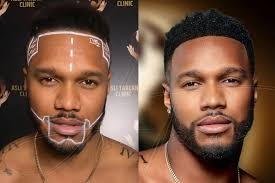
An afro hair transplant is a highly specialized procedure due to the unique curly and coiled structure of Afro-textured hair follicles. Because these follicles grow in a curved pattern beneath the scalp, both extraction and implantation require advanced expertise. While the core technique remains similar, there are important differences between afro hair transplants for men and women, particularly in terms of hair loss patterns, aesthetic goals, and treatment planning.
Differences in Hair Loss Patterns
One of the main differences between men and women undergoing an afro hair transplant is the pattern of hair loss. Men typically experience androgenetic alopecia, which often begins with a receding hairline, thinning temples, and crown baldness. As a result, male patients usually require extensive hairline reconstruction and higher graft numbers.
Women, on the other hand, tend to experience diffuse thinning rather than complete baldness. Hair loss in women is often spread across the scalp, with the frontal hairline generally preserved. For female patients, the goal is usually to increase overall density while maintaining a soft, natural hairline. This requires a more conservative graft placement strategy and meticulous density planning.
Hairline Design and Aesthetic Goals
Hairline design is another area where gender differences are clearly visible. In men, afro hair transplant procedures often focus on restoring a masculine hairline that appears natural and age-appropriate. This may involve recreating temple points and adjusting the hairline height to match facial proportions.
For women, the emphasis is on preserving femininity and softness. Female hairlines are typically lower and more rounded, requiring precise angle and direction control during implantation. Even small mistakes in hairline design can be noticeable, making experience with female afro hair transplants especially important.
Donor Area and Graft Management
Donor area management also varies between men and women. Men usually have larger donor areas and can provide a higher number of grafts. Women often have tighter donor zones, meaning graft extraction must be carefully distributed to avoid visible thinning at the back of the scalp.
At Turkey Hair Center, donor area assessment and graft planning are customized based on gender, hair density, and curl pattern to ensure balanced and natural results.
Recovery and Long-Term Results
Recovery timelines are generally similar for both men and women, but styling expectations differ. Men may choose shorter hairstyles, making precision and graft survival even more critical. Women often keep longer hair, which helps blend transplanted areas more naturally as growth progresses.
At Turkey Hair Center, both male and female patients benefit from individualized treatment plans designed to respect the unique characteristics of Afro-textured hair.
Want to Learn More?
For more detailed information about afro hair transplant techniques, recovery, and personalized treatment options, read more and explore in-depth guides on afro hair restoration.