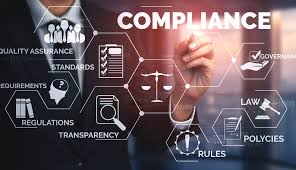
Introduction:
In today’s workplace, staying compliant with regulations and standards is crucial for both employees and employers. Compliance training ensures that you understand and adhere to the necessary laws and company policies, which can protect both you and the organization. Whether you’re in healthcare, education, manufacturing, or any other industry, compliance training is a requirement that can directly impact your ability to perform your job safely and effectively. In this article, we will explore what compliance training is, why it’s important, and what your employer may require you to complete.
1. What is Compliance Training?
Compliance training refers to programs that teach employees about the laws, regulations, and company policies relevant to their job. These programs are designed to ensure that employees understand and follow specific rules and guidelines that apply to their industry or workplace.
- Legal Requirements: Certain industries, such as healthcare and finance, are subject to strict regulations that require employees to undergo compliance training regularly.
- Company Policies: In addition to legal requirements, employers may have their own policies and procedures that need to be understood and followed by all employees.
- Preventing Legal Issues: Compliance training helps prevent legal problems, fines, and lawsuits by educating employees on how to follow the rules and handle sensitive situations appropriately.
2. Why is Compliance Training Important?
Compliance training is not just a box to check off—it’s vital for protecting both the employee and employer. Here’s why:
- Reduces Risk: Training employees in compliance helps reduce the risk of violations, penalties, and legal liabilities. It ensures that everyone is aware of the expectations and consequences of failing to comply with the law.
- Safety in the Workplace: For industries like healthcare or manufacturing, compliance training ensures that safety protocols are followed to prevent accidents or harm.
- Improves Company Reputation: Companies that demonstrate a commitment to compliance build trust with customers, stakeholders, and regulatory bodies, helping to maintain a positive reputation.
3. Types of Compliance Training Employers May Require
Employers often require employees to complete various types of compliance training based on the specific industry they work in. Below are some common types of compliance training you might be required to complete:
a) Health and Safety Training
- Occupational Safety: This is essential in industries like construction, manufacturing, and healthcare. It focuses on workplace safety protocols to prevent accidents, injuries, and illness.
- Emergency Procedures: Employees may be trained on fire safety, first aid, evacuation plans, and emergency response protocols to ensure they can handle any crisis effectively.
b) Anti-Harassment and Discrimination Training
- Workplace Behavior: Employers often require employees to complete training that covers harassment prevention, diversity and inclusion, and proper workplace behavior.
- Legal Requirements: In many jurisdictions, harassment and discrimination training is mandated to ensure a respectful and inclusive workplace environment.
c) Data Protection and Privacy Training
- GDPR and HIPAA: Employees in industries like healthcare and finance may be required to undergo training related to data protection laws such as the General Data Protection Regulation (GDPR) or the Health Insurance Portability and Accountability Act (HIPAA).
- Confidentiality: This training teaches employees how to handle confidential information and ensures compliance with privacy laws.
d) Financial Compliance Training
- Fraud Prevention: For industries like banking, accounting, and finance, employees may be required to complete training related to anti-money laundering, fraud detection, and financial reporting.
- Ethical Practices: Financial compliance training ensures employees understand how to handle funds, investments, and financial records ethically and according to the law.
e) CPR and First Aid Training
- Emergency Preparedness: Employers in healthcare settings, schools, or any workplace with a large number of employees may require CPR and first aid certification to ensure that employees are prepared for medical emergencies.
- Lifesaving Skills: CPR and first aid training ensures that employees know how to assist others in an emergency, which can be critical in saving lives.
4. How Employers Deliver Compliance Training
Employers can deliver compliance training through various methods, depending on their company size, resources, and industry needs. Here are some common ways compliance training is provided:
a) In-Person Workshops
- Interactive Sessions: Workshops allow for more personalized, hands-on training with the ability to ask questions and discuss real-world situations.
- Employee Engagement: These sessions often include role-playing exercises, group discussions, and case studies to engage employees actively.
b) Online Training Modules
- Convenience: Many employers opt for online training platforms, allowing employees to complete compliance training at their own pace and from anywhere.
- Trackable Progress: Online training systems can track employees’ progress, making it easier for employers to ensure that everyone has completed the required training.
- Cost-Effective: Online training can often be more affordable than in-person sessions, especially for large organizations.
c) E-Learning Courses
- Self-Paced Learning: E-learning courses are often interactive and self-paced, providing flexibility for employees to complete them during their free time.
- Certification: Many online courses offer certification upon completion, allowing employees to prove that they’ve received the necessary training.
5. What Happens if You Don’t Complete Required Compliance Training?
Failing to complete required compliance training can have serious consequences, both for the employee and the employer. Some potential outcomes include:
- Disciplinary Action: Employees may face disciplinary measures, including warnings, suspension, or even termination, for failing to complete mandatory training.
- Legal and Financial Consequences: Employers may face fines or legal actions if employees do not follow the required training, especially when compliance is mandated by law.
- Workplace Safety Risks: Without proper compliance training, employees may be unaware of the protocols needed to ensure safety, putting themselves and others at risk.
6. Staying on Top of Compliance Training
To avoid the risks associated with non-compliance, here are some tips to stay on top of your training requirements:
- Check Training Deadlines: Be aware of when your compliance training needs to be renewed and make sure to complete it before the deadline.
- Stay Informed: Compliance requirements may change over time, so make sure to keep up with updates and new regulations in your industry.
- Use Online Resources: Platforms likehttps://cprcertificationnow.com/ offer convenient online compliance training programs, including CPR and first aid courses, to keep you up to date.
Conclusion
Compliance training is a crucial aspect of any workplace, ensuring employees understand and follow the necessary regulations, policies, and procedures to maintain a safe, legal, and ethical working environment. By staying up to date with your required training, you can contribute to a safer, more productive workplace while avoiding potential legal or financial consequences.