Key Takeaways
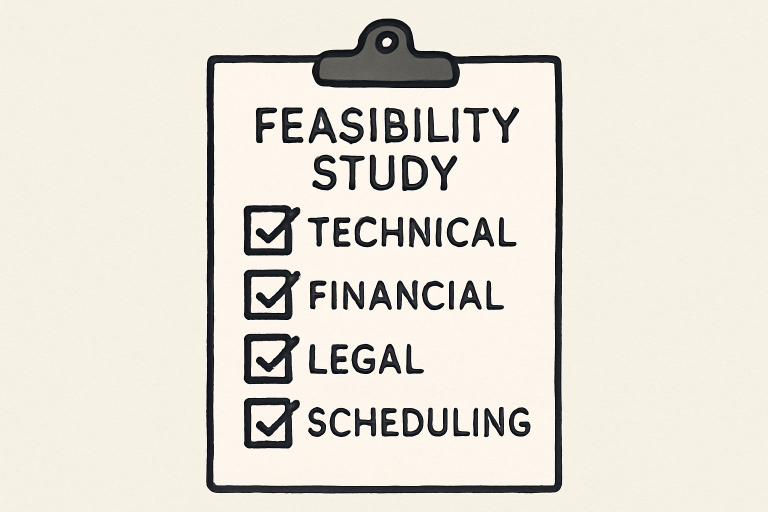
- Feasibility studies evaluate whether a proposed project is practical to execute, using technical, economic, legal, operational, and scheduling criteria.
- They spotlight risks and challenges before project launch, enabling smarter, more efficient resource use.
- Comprehensive feasibility studies help avert cost overruns, delays, and failed projects.
Thorough planning is the cornerstone of any successful project. To ensure a project has a real chance of success, stakeholders must conduct detailed feasibility studies early in the planning process. This crucial evaluation helps organizations determine whether they have the resources, expertise, and time required to bring their ideas to life. For those navigating the complexities of project launches, especially within real estate and construction, conducting a feasibility study for land development can be the difference between project viability and costly failure.
Feasibility studies provide an objective analysis. They assess the technical, financial, legal, operational, and scheduling aspects that might impact the outcome. By uncovering both opportunities and risks at the outset, organizations gain the clarity needed to allocate resources wisely and avoid unpleasant surprises mid-project.
Developing a thorough understanding of feasibility factors pays dividends in all industries. From engineering to IT and healthcare to manufacturing, taking the time to probe the practical requirements and hurdles can prevent overspending, ensure compliance, and streamline timelines. This process ultimately integrates informed decision-making into every stage of the project life cycle.
Identifying bottlenecks early enables course correction, helping organizations avoid cost overruns, project delays, and other preventable setbacks. By analyzing feasibility in detail, project teams build confidence in both the direction and the execution of their ventures.
Understanding Feasibility Studies
At its core, a feasibility study is a detailed analysis aimed at assessing the viability of a proposed initiative. It evaluates the strengths and weaknesses of the business or project idea, the market landscape, and the required resources. This process is essential for determining whether an idea is worth pursuing before committing significant financial and human capital. Both the initial investment and the expected value of the project play central roles in determining feasibility. Additional information about how feasibility studies support large-scale endeavors can be found in this Indeed article.
Common Factors in Feasibility Studies
Adequate feasibility studies analyze several core factors that contribute to a project’s success or failure:
- Technical Feasibility: Determines whether the necessary technology and technical skills are available to achieve project goals.
- Economic Feasibility: Examines whether the project will be profitable or provide a satisfactory return on investment, factoring in all costs.
- Legal Feasibility: Verifies that the project adheres to all relevant laws, zoning rules, and regulatory requirements.
- Operational Feasibility: Assesses whether day-to-day activities can support the new project and examines impacts on existing operations.
- Scheduling Feasibility: Assesses if the project can be realistically completed within the desired timeframe.
Importance of Feasibility Studies in Project Planning
Feasibility studies act as a critical filter during the early stages of project planning. They help organizations:
- Identify Risks Upfront: By examining all possible angles, project leaders get early warnings of technical, resource, or market-based risks.
- Enable Informed Decisions: Robust research and analysis empower decision-makers with data-driven clarity, reducing subjective guesswork.
- Optimize Resource Allocation: Proper feasibility groundwork ensures that budgets, personnel, and other resources are applied where there is the highest chance of positive returns.
- Ensure Regulatory Compliance: Early legal and regulatory reviews reduce the risk of project stoppages, fines, or legal disputes. For further reading on common pitfalls and how feasibility studies avert them, see this Indeed guide on conducting feasibility studies.
Components of a Feasibility Study
A detailed feasibility study contains several interlocking analyses:
- Market Analysis: Assesses customer demand, competitive landscape, and sales channels to validate whether there is sufficient interest for the project’s output.
- Technical Analysis: Reviews technological requirements and assesses the organization’s ability to meet them.
- Financial Analysis: Projects all costs, revenues, and profitability to ensure sound economic planning.
- Legal and Regulatory Analysis:Reviews all potential legal constraints and necessary permits.
- Operational Analysis: Identifies logistical and staffing needs for implementation and long-term sustainability.
- Risk Assessment: Maps out potential risks and recommends strategies to reduce or manage them.
Steps to Conduct a Feasibility Study
A systematic approach to feasibility ensures all bases are covered:
- Preliminary Screening: Perform a quick review to filter out obviously unworkable ideas before devoting resources to a detailed study.
- Define the Project Scope: Clearly delineate what the project sets out to achieve, including objectives, key deliverables, and boundaries.
- Conduct Market Research: Gather data on potential customers, competitors, and trends that could impact project adoption.
- Technical Assessment: Investigate infrastructure, equipment, tools, and expertise required.
- Financial Review: Estimate project costs, expected revenues, and consider possible funding strategies.
- Legal Review: Verify all required licenses, permits, and legal obligations are factored in.
- Operational Feasibility: Identify how existing and new processes will integrate into the project for maximum efficiency.
- Risk Analysis: Profile potential threats and create actionable mitigation plans.
- Prepare the Final Report: Compile comprehensive recommendations based on factual, data-driven research.
- Make a Decision: Carefully weigh all findings before committing to project launch.
Conclusion
Feasibility studies are an indispensable part of robust project planning. By examining critical technical, economic, legal, operational, and scheduling elements, organizations can anticipate potential stumbling blocks and identify opportunities for success. This comprehensive approach safeguards project investments and enhances the likelihood of achieving desired results. A commitment to rigorous feasibility studies is not just prudent; it is fundamental for reliable, efficient, and successful project outcomes.