Post Preview
Table of Contents
- Evolution of Barcode Technology
- Mobile Devices in Business Operations
- Integration of Mobile Devices and Barcodes
- Benefits of Mobile Barcode Scanning
- Real-World Applications
- Future Trends
- Conclusion
Modern businesses are experiencing a transformation driven by the integration of mobile devices and barcode technology. This combination unlocks new opportunities for operational efficiency and accuracy, helping organizations keep up with the demands of today’s fast-paced commercial landscape. From retail to logistics and healthcare, companies depend on these digital solutions to reduce costs, boost productivity, and drive customer satisfaction. For industries with substantial inventory and shipping needs, mobile technology solutions for warehouses are creating smarter workflows and seamless asset tracking, proving essential to maintaining competitiveness and reliability.
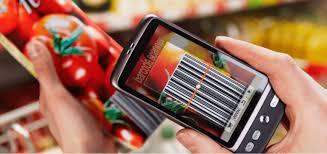
The ability to scan barcodes with smartphones and tablets brings powerful data-capture functionality into employees’ hands, no matter where they are. This agility supports real-time inventory management, asset tracking, and on-the-spot customer service, ensuring continuous alignment between front-end and back-end operations. As digital tools become more embedded in daily routines, companies are not only streamlining in-house processes; they are also transforming their operations. Still, they are also delivering better experiences for their customers, ultimately shaping the future of business conduct.
One compelling outcome of this technological uplift is the strong alignment between IT strategy and business goals, allowing for rapid adaptation to market changes. According to Forbes, businesses that leverage evolving barcode technology and mobile integration are better positioned to thrive in dynamic environments by unlocking efficiency gains and improving decision-making.
Evolution of Barcode Technology
Since the first barcode was scanned in a supermarket in 1974, barcode technology has grown from a retail convenience to a foundational pillar in modern supply chains. Over time, traditional one-dimensional barcodes gave way to more versatile two-dimensional codes, such as QR codes, which can hold far more information and are readable by nearly any mobile camera. The development and adoption of new barcode types have expanded their utility, helping industries track complex product information, streamline checkouts, and support traceability. The expanded capabilities and accessibility of barcode technology have proven crucial to data capture and management in businesses of all sizes.
Mobile Devices in Business Operations
The rise of smartphones and tablets in the business world has changed the way organizations operate. These devices are now core components of business processes, providing not only communication but also reliable computing power to support inventory checks, location tracking, document management, and data analytics. Mobile devices are invaluable for field teams, warehouse personnel, and customer service reps alike. The flexibility and scalability they deliver make it easy for companies to adapt workflows and meet evolving customer expectations.
Integration of Mobile Devices and Barcodes
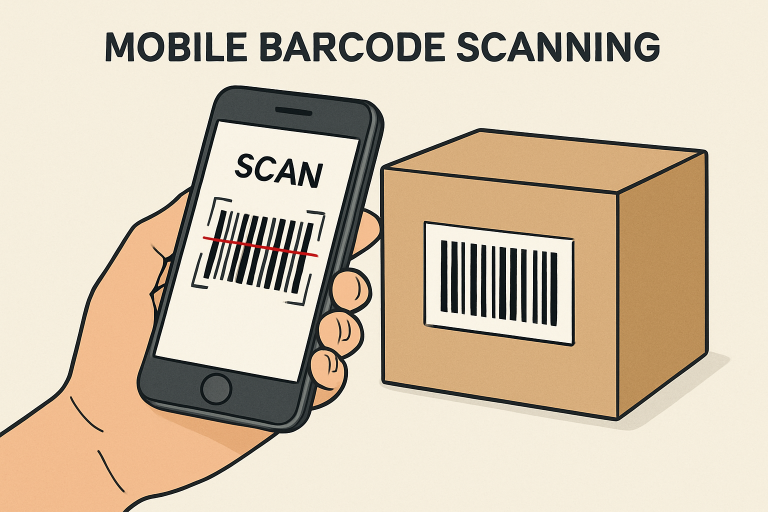
The fusion of mobile devices with barcode technology is at the heart of digital transformation for many enterprises. Employees can now use their phones or tablets equipped with dedicated barcode-scanning applications for critical tasks such as inventory checks, order fulfillment, and equipment management. This approach eliminates the need for expensive, dedicated scanning hardware and allows for rapid deployment and scaling. The result is reduced capital expenditures, faster employee training, and a robust, user-friendly platform for managing essential business functions.
Benefits of Mobile Barcode Scanning
- Cost Efficiency: Organizations can harness existing mobile devices rather than investing in separate scanners, yielding significant budget savings.
- Real-Time Data Access: Instant upload and retrieval of information accelerate response times and support fast, data-driven decision-making.
- Improved Accuracy: Automated barcode scanning significantly reduces errors that often occur with manual data entry, ensuring more precise, reliable records.
- Enhanced Customer Service: With rapid access to inventory and product details, employees can deliver swift, informed service, improving overall customer satisfaction.
Real-World Applications
- Retail: Store associates and managers utilize mobile scanners to keep shelves stocked, process checkouts efficiently, and guide customers with up-to-date product information—a vital element in today’s omnichannel marketplace.
- Healthcare: Barcodes are essential in patient management, medication tracking, and laboratory testing. Nurses and pharmacists use them to verify patient identities and ensure the correct medicines are administered, enhancing patient safety and regulatory compliance.
- Logistics: Mobile barcode technology enables real-time scanning and tracking of packages, from the warehouse through the last mile of delivery. This capability offers accurate visibility and ensures timely deliveries, which are crucial for business reputation and customer trust.
Future Trends
The landscape for mobile barcode technology is evolving rapidly. Augmented reality (AR) is beginning to merge with barcode scanning, enabling staff to see real-time data overlays—for example, inventory levels or product specs—directly onscreen as they scan. Meanwhile, advances in artificial intelligence (AI) are driving the development of smart data capture solutions that interpret and analyze information from barcodes, documents, and images more comprehensively. These innovations promise to increase accuracy further, optimize resource allocation, and enhance strategic decision-making, preparing businesses for an even more interconnected future.
Conclusion
The adoption of mobile devices and barcode technology has revolutionized how modern businesses operate in a digital economy. By leveraging these tools, organizations are achieving unprecedented levels of efficiency, reliability, and customer engagement. As these technologies continue to evolve, they will underpin further breakthroughs in operational effectiveness, ensuring companies remain agile and successful amid constant change.