Post Preview
Key Takeaways:
- Consistent daily oral hygiene practices are essential for preventing dental diseases.
- Regular dental check-ups help detect and manage oral health issues early.
- Limiting sugary and acidic foods and beverages protects tooth enamel.
- Using fluoride toothpaste and mouthwash strengthens teeth and prevents cavities.
- Maintaining overall health through proper nutrition and hydration supports oral well-being.
Introduction
Good oral health is a cornerstone of overall well-being at every age. Keeping your teeth and gums healthy allows you to enjoy eating, converse easily, and smile confidently. Prevention is better than cure, so building habits that support oral hygiene from early childhood through senior years can help you avoid dental problems down the line. If you are seeking advice or professional support for your family’s dental care, consulting the best dentist in your area can set you on the right path.
The importance of oral health extends beyond a bright, pain-free smile. Oral hygiene is linked to heart health, diabetes control, and even respiratory wellness. Dental issues, if left untreated, can affect your overall health and daily life. By making small but powerful changes to your routine, from brushing properly to visiting the dentist regularly, you can ensure your mouth stays healthy for years to come.
Consistency is key when it comes to oral care. Many dental problems develop slowly and painlessly, so waiting for symptoms is risky. Adopting a proactive approach now pays dividends later. Prevention, early detection, and prompt treatment are the building blocks of lifelong dental health.
Read on for an in-depth guide to maintaining healthy teeth and gums throughout every stage of life, along with tips for addressing harmful habits and optimizing your diet for oral wellness.
Daily Oral Hygiene Practices
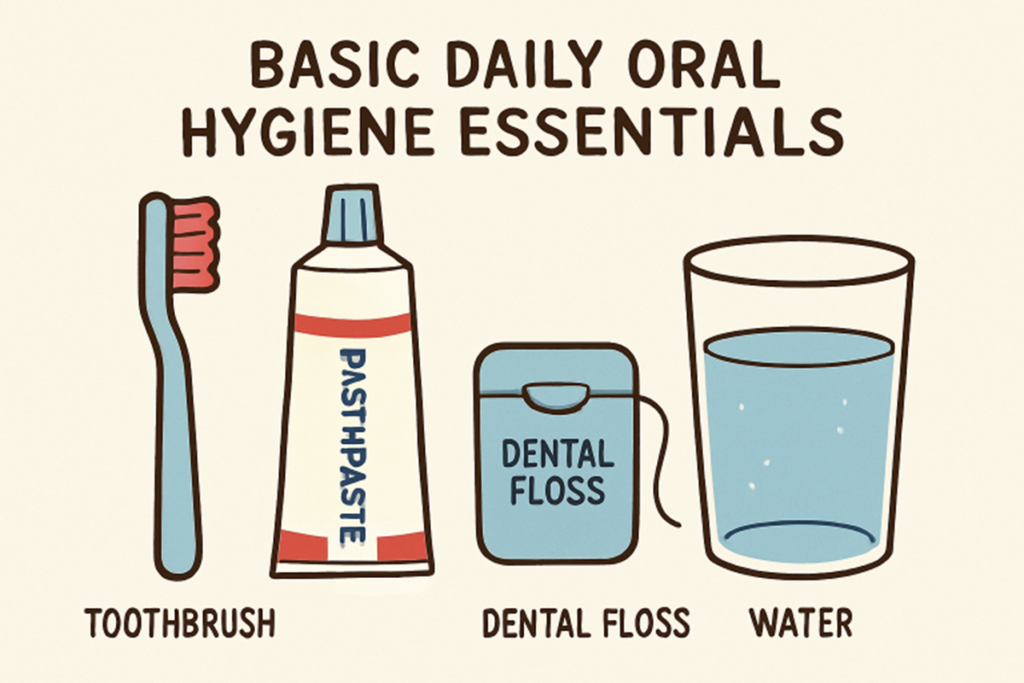
The backbone of oral health lies in your daily hygiene routine. At a minimum, you should brush your teeth twice a day and floss at least once a day. Use a soft-bristled toothbrush with fluoride toothpaste to remove dental plaque and prevent tartar buildup. Place the toothbrush at a 45-degree angle towards your gumline, using gentle, circular motions to clean every surface.
Flossing is equally vital, as it removes food particles and plaque from between teeth where brushes cannot reach. By flossing daily, you help prevent cavities and reduce the risk of gum disease. Additionally, using an alcohol-free, fluoride mouthwash rinses away remaining bacteria and reinforces the protective enamel on your teeth.
According to the American Dental Association, these basic habits are your first line of defense against tooth decay, gum infections, and bad breath. Taking a few moments each morning and night to care for your teeth can help prevent painful, expensive dental problems in the future.
Regular Dental Check-Ups
Dental professionals recommend seeing your dentist at least every six months for a comprehensive check-up and cleaning. These visits serve two essential purposes: they remove tartar that cannot be eliminated by brushing and flossing at home, and they allow detection of potential issues before they become serious. For those who smoke, have chronic illnesses, or previously treated dental conditions, more frequent visits may be necessary.
Dentists can provide specialized advice tailored to your oral health needs, such as guidance for those with braces, dental implants, or frequent cavities. Preventive care and routine screenings are critical for keeping your teeth and gums in top shape and catching problems early.
Diet and Oral Health
What you eat and drink directly affects your dental health. Limiting sugary foods and acidic beverages such as sodas and citrus juices helps protect your enamel from erosion and cavities. Snack smart with crunchy fruits and vegetables, dairy for calcium, and nuts for beneficial nutrients.
Staying hydrated is another important aspect. Drinking enough water throughout the day washes away food debris and neutralizes acids, fostering a healthier mouth. Water can also help prevent dry mouth, which increases the risk of plaque and tooth decay.
Use of Fluoride Products
Fluoride is essential in the fight against cavities. It becomes incorporated into tooth enamel, making it more resistant to acid attacks from plaque bacteria and sugars. Choose a toothpaste with fluoride, and consider an additional fluoride mouthwash for extra protection.
The American Dental Association affirms that fluoride oral care is safe and effective for all age groups, including children. Proper fluoride use can drastically reduce cavity rates and is a simple, inexpensive way to strengthen your teeth.
Addressing Harmful Habits
Several common habits erode oral health over time. Smoking and tobacco use remain leading causes of gum disease, tooth discoloration, and oral cancer. Quitting tobacco is one of the best actions you can take for your mouth and overall health. Likewise, excessive alcohol dries out the mouth and boosts the risk of dental decay and gum disease.
Avoid using your teeth as tools to open packaging, crack nuts, or chew on pens. Such behavior can lead to chips, cracks, and unnecessary wear. Become mindful of these actions and swap them for safer alternatives.
Oral Health Across Different Life Stages
Children
Establishing oral hygiene routines at a young age sets the foundation for a lifetime of dental health. Encourage children to brush twice daily using fluoride toothpaste and to floss as soon as they have two teeth that touch. Limit sticky or sugary snacks, provide regular dental visits, and ensure adequate hydration. Make dental care fun and positive to help kids build lasting habits.
Adults
For adults, prevention and maintenance are key. Continue regular check-ups, maintain strong daily habits, and follow a nutritious diet. Address dental problems promptly and follow your dentist’s recommendations regarding any restorative care, such as fillings, crowns, or orthodontics.
Seniors
Seniors face unique oral health issues, including increased rates of dry mouth, gum disease, and tooth loss. Medications can exacerbate oral dryness and heighten the risk of cavities. Practice extra diligence with twice-daily brushing using fluoride, use floss or interdental brushes, and stay well-hydrated. Denture wearers should clean their appliances nightly and monitor for irritation or sores. Scheduling regular dental visits is vital for detecting issues such as oral cancer and gum disease early.
Final Thoughts
Achieving lifelong oral health requires daily care, regular professional guidance, nourishing dietary choices, and avoiding harmful behaviors. By treating oral health as a priority, you invest in overall wellness and enjoy the confidence and quality of life that come with a healthy, radiant smile.