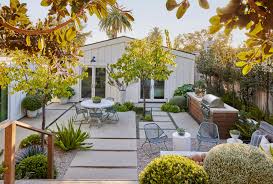
For many homeowners, the dream of a sprawling backyard often clashes with the reality of maintaining it. A beautiful outdoor space should be a sanctuary for relaxation and entertainment, not a source of constant labor and stress. However, traditional landscaping often requires hours of mowing, weeding, watering, and pruning every weekend. Creating a low-maintenance backyard does not mean sacrificing aesthetics or curb appeal. It simply requires a shift in design philosophy, prioritizing efficiency, durability, and smart technology over labor-intensive elements. By making strategic choices, you can reclaim your weekends and create a sustainable environment that largely takes care of itself.
Prioritize Hardscaping Over Lawns
One of the most effective ways to reduce yard work is to reduce the amount of living plant material that requires attention. Hardscaping refers to the non-living elements of your landscape, such as patios, walkways, decks, and retaining walls. By converting a portion of your grassy lawn into a paved patio or a composite deck, you instantly eliminate the need for mowing, aerating, and fertilizing that specific area.
Extending Living Spaces
Hardscaping also extends your functional living space. A well-designed patio serves as an outdoor dining room or lounge area, adding tangible value to your home. When you replace high-maintenance turf with functional hardscape, you create zones for entertainment that require almost zero upkeep. Unlike grass, a patio never needs to be watered or trimmed; it only requires an occasional sweep to look pristine.
Durable Material Choices
When selecting materials, opt for durability to minimize future repairs. Concrete pavers, natural stone, and composite decking are excellent choices because they withstand weather fluctuations without rotting or warping. Unlike wood decks that require annual staining and sealing to prevent degradation, these modern materials are designed to resist the elements. Choosing high-quality, long-lasting materials upfront saves hours of maintenance labor over the lifespan of your backyard.
Choose Native and Perennial Plants
The types of plants you choose effectively dictate how much time you will spend gardening. Many homeowners make the mistake of selecting exotic plants that are ill-suited to their local climate, requiring excessive watering and chemical treatments to survive. The solution is to prioritize native plants. Because these species have evolved in your specific region, they are naturally adapted to the local soil, rainfall patterns, and pests.
The Benefits of Native Species
Once established, native plants require very little intervention. They are often drought-tolerant and resistant to local insects, eliminating the need for complex irrigation schedules and pesticide applications. This not only saves you time but also creates a healthier ecosystem for local pollinators. By working with nature rather than against it, you ensure your garden thrives with minimal effort.
Perennials vs. Annuals
In addition to going native, prioritize perennials over annuals. Annual plants complete their life cycle in a single season and must be replanted every year, which is both time-consuming and costly. Perennials, on the other hand, return year after year, often growing stronger and more vibrant with time. Implementing a planting strategy that relies heavily on hardy perennials ensures that your garden comes back to life each spring without you needing to dig a single hole.
Implement Efficient Irrigation Systems
Watering the garden by hand is not only time-consuming but often inefficient. It is easy to forget to water during a dry spell or to accidentally leave the hose running too long. Automation is the key to consistent plant health with zero effort. Installing a drip irrigation system delivers water directly to the base of the plants where it is needed most, minimizing evaporation and preventing fungal diseases caused by wet foliage.
The Drawbacks of Manual Watering
Relying on memory or manual timers often results in inconsistent hydration. Overwatering can lead to root rot and nutrient leaching, while underwatering stresses plants and stunts growth. Both scenarios require additional time and money to fix. Furthermore, traditional sprinklers often overspray onto sidewalks and driveways, wasting resources and creating slippery surfaces.
Upgrading to Smart Technology
To take efficiency to the next level, you should integrate smart technology into your watering schedule. A standard timer is helpful, but a smart sprinkler allows you to manage water usage with precision. These modern systems connect to local weather data via Wi-Fi, automatically adjusting watering schedules based on real-time forecasts. If rain is predicted, the system will delay the cycle, conserving water. If a heatwave is approaching, it can increase hydration levels. This ensures your landscape remains healthy without you ever having to touch a control panel.
Automate Pool Cleaning
A swimming pool is a luxury feature that can quickly become a maintenance burden if not managed correctly. Keeping the water balanced and the floor clean typically requires daily attention during the swimming season. Fortunately, robotics has revolutionized pool care, allowing homeowners to enjoy the water without the work.
The Burden of Manual Vacuuming
Manually vacuuming a pool involves setting up hoses, priming the pump, and slowly pushing a vacuum head across the floor. It is physically demanding and time-consuming. Additionally, manual vacuuming sends debris into the pool’s filter, causing the pressure to rise and requiring more frequent backwashing or cartridge cleaning.
Leveraging Robotic Solutions
Instead of spending hours skimming surface debris and vacuuming the bottom of the pool manually, you can deploy the best pool cleaner to handle the heavy lifting. Robotic cleaners operate independently of your pool’s filtration system. They scrub the floor, walls, and waterline to remove algae and debris, trapping dirt in their own internal canisters. By automating this laborious task, you ensure the pool is always ready for a swim, allowing you to focus on relaxation rather than sanitation.
Utilize Mulch and Ground Covers
Weeding is arguably the most tedious of all garden chores. To drastically reduce the time spent pulling unwanted growth, mulch is your best defense. A thick layer of mulch applied to flower beds blocks sunlight from reaching weed seeds, preventing them from germinating.
Suppressing Weeds Naturally
Beyond weed suppression, mulch helps the soil retain moisture, reducing the frequency with which you need to water your plants. Organic mulch, such as wood chips or shredded bark, breaks down over time, enriching the soil with nutrients. For an even lower-maintenance option, inorganic mulch like river rock or gravel provides a permanent barrier that never needs replenishing.
Alternatives to Traditional Grass
The traditional green lawn is the single biggest consumer of time in most backyards. If you are tired of the endless cycle of mowing, consider replacing parts of your lawn with ground covers. Plants like creeping thyme, clover, or moss spread across the ground to create a lush carpet that requires no mowing and very little water. These alternatives provide the greenery you desire without the high-maintenance requirements of turf grass.
Select Weather-Resistant Furniture
A low-maintenance backyard extends to the furniture and decor you choose. Cheap plastic furniture often cracks in the sun, while untreated wood can rot or require annual varnishing. To avoid moving cushions indoors every time it rains or scrubbing mildew off chairs, invest in high-quality materials.
Investing in Quality Materials
Aluminum, teak, and synthetic resin wicker are top-tier choices for outdoor furniture. Aluminum is lightweight and rust-proof, making it ideal for uncovered patios. Teak produces its own natural oils that protect it from water and pests, allowing it to weather to a beautiful silver-gray patina without any treatment.
Reducing Storage Needs
When choosing cushions, look for fabrics specifically engineered to resist fading, mold, and moisture. This allows you to leave your furniture set up throughout the season without constant worry. By selecting materials that can withstand the elements, you eliminate the daily chore of covering and uncovering your outdoor living area.
Conclusion
Achieving a low-maintenance backyard is about working smarter, not harder. By replacing labor-intensive lawns with hardscaping, choosing native plants that thrive on their own, and leveraging technology like smart irrigation and robotic cleaners, you can drastically reduce the time spent on chores. Your outdoor space is an extension of your home—a place meant for leisure, dining, and making memories. With these design tips, you can put down the rake and pick up a cold drink, enjoying the beauty of nature without the back-breaking work.