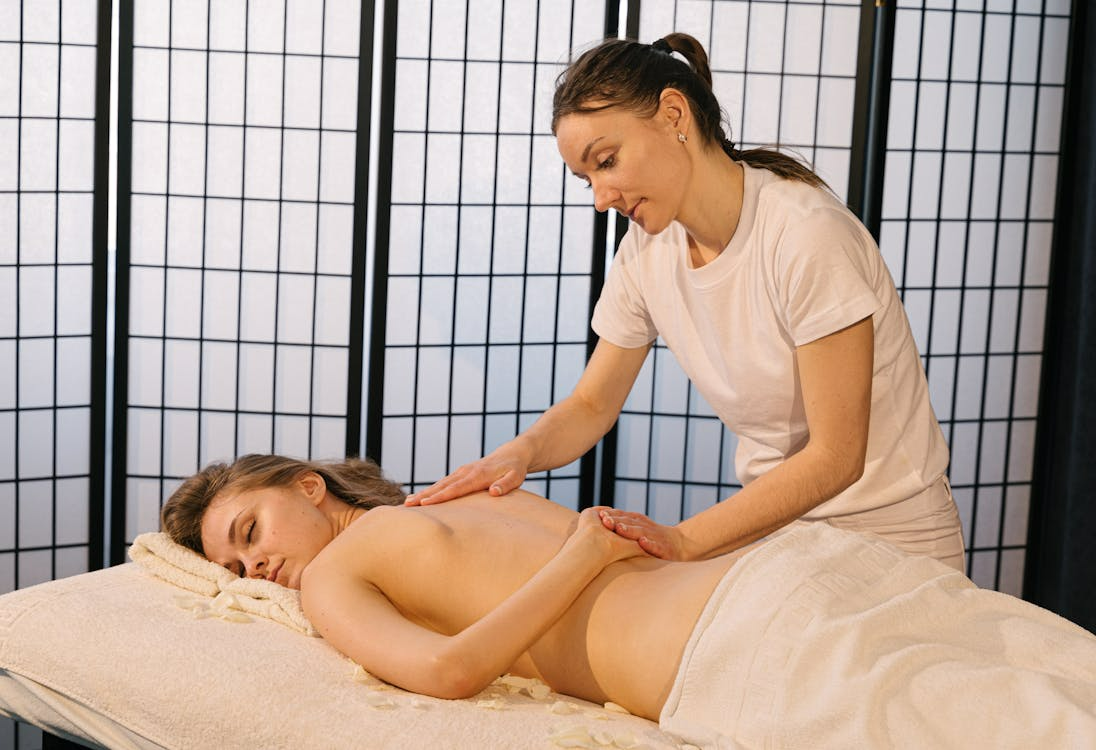
When a person schedules a massage at home, they expect privacy, set limits, and steady conduct through the session. They count on the provider to follow health rules, check for risks, and avoid acts that could cause harm. The same view applies when clients seek medspa services at clinics or mixed care setups.
Both cases rely on a steady system with clear guidance, defined roles, and responsibility for each provider. This system makes sure that whether care happens at home or in a clinic, clients get safe, steady, and dependable service. Clear steps and staff duties reduce mistakes, keep trust, and let clients rest easy. By holding to these rules, wellness services provide convenience and safety without losing professional standards.
Shared Standards Behind Modern Wellness Platforms
Digital wellness platforms handle booking, scheduling, and finding services for massage and bodywork clients. What stays quiet is the system that shields users before, during, and after each session. Massage providers follow state licensing that sets training hours and allowed methods. Platforms back these rules with credential checks, limits on practice, and written service details. Med spas follow tighter paths because treatments use devices, injections, or skin contact. These services need doctor oversight to meet board rules and keep patients safe.
How Physician Supervision Shapes Aesthetic Care
Physician supervision puts licensed doctors into active roles in aesthetic clinics. A medical director checks treatment plans and makes sure staff follow state medical rules. This role covers approving orders for injectables and energy devices. Physicians look over charts, side effects, and patient results to lower avoidable risks. Without this system, staff without medical licenses could do work beyond their limits. Supervision keeps care within medical law and guides daily clinic tasks.
Protocol Approval And Treatment Boundaries
Protocols show how treatments happen, who can do them, and when issues need higher review. Medical directors sign off on these protocols based on training and state rules. This process sets limits that keep patients and staff safe from unsafe actions. Clear lines also help care stay steady across staff shifts and client numbers.
Ongoing Review And Clinical Accountability
Supervision continues even after a physician approves protocols. Medical directors keep checking charts and incident reports during normal operations. This review helps spot patterns that need training or process updates. It also allows quicker action when reactions or problems appear.
Safety Parallels Between Massage And Med Spa Settings
Massage therapy and med spa care use different methods but follow the same safety rules. Both start with intake forms that record health history, medications, and recent procedures. Providers change services based on risks like skin issues or circulation problems.
They also keep session records to maintain continuity and answer future client questions. Platforms like RubMD back these steps with clear service descriptions and provider standards. Med spas count on medical directors to make these checks part of clinic routines.
Intake And Informed Consent Practices
Informed consent lays out what a service covers and the risks involved. Massage consent covers pressure, body areas, and comfort choices. Med spa consent notes medical risks from injectables or device treatments. Medical directors check these forms to ensure clarity and compliance with rules.
Hygiene And Infection Control Standards
Clean tools, proper sanitation, and protective gear lower infection risks. Massage providers follow sanitation rules from licensing boards and health departments. Med spas follow tighter infection controls because procedures are invasive. Medical directors guide these rules using clinical best practices.
Regulation And Scope Across Wellness Services

Regulation sets who can do services and what supervision is needed. Massage therapy usually follows allied health or professional boards. Med spas align more with medical rules because procedures affect skin. State medical boards define how physicians can delegate these treatments. The U.S. Food and Drug Administration ranks aesthetic devices by risk. These rankings shape training and supervision rules for clinics.
Risk Management As A Daily Practice
Risk management means spotting possible harm before it reaches a client. Massage providers handle risk through pressure checks and clear communication. Med spas add steps like emergency plans and incident records. Medical directors review these systems and update them as rules change. This setup keeps care steady even with staff changes or service growth. Clients gain reliable responses when issues appear. Regular review and staff training strengthen these protections and reduce preventable errors.
Client Experience And Trust Signals
Clients might not ask about physician roles, but they see the impact. Clear explanations, steady providers, and firm boundaries build trust. When problems arise, structured systems allow quick review and solutions. This cuts confusion and protects client well being in any setting. Research from the National Institutes of Health supports standard protocols in wellness care. Safety focused guidance helps staff follow best practices at every step. Accessible resources and clear expectations keep care consistent across services and settings.
A Clear Takeaway For Clients And Providers
Wellness services work best when ease meets responsibility and clear professional limits. Both massage platforms and med spas follow structured guidance to protect clients and staff, making sure treatments are safe and steady. Medical directors have a key role in regulated aesthetic care by checking protocols, guiding staff, and keeping rules in line with medical standards.
This shared focus on structure and responsibility supports safe, reliable experiences across wellness services, whether care happens at home or in a clinic. Clear steps and consistent practices build client confidence, promote trust, and let providers deliver services properly. By combining access with professional oversight, wellness services meet client expectations while keeping high care standards.
Conclusion
Well run wellness care depends on structure, clear roles, and professional responsibility at every level. Massage platforms and med spas both follow clinical guidance to protect clients and staff. Medical directors keep regulated aesthetic care in line with medical rules and daily practice standards. This shared approach supports safe, steady experiences whether care happens at home or in a clinic. Consistency builds client confidence with clear boundaries and predictable care. It also helps providers deliver services properly while staying within their professional limits.